


Creating a calm, safe space at home can make a huge difference for kids with autism, ADHD and other sensory needs. Soft touch tatami‑style mats are a simple, home‑friendly tool that can turn busy floors into regulated, sensory‑supportive zones where children can play, move and relax more comfortably.
Why the Floor Matters So Much for Sensory Regulation
For many neurodivergent kids, the floor is where most of their real life happens—rolling, jumping, crashing into cushions, lining up toys, reading, or just lying down to reset. The textures, sounds and temperature of the floor can either soothe or overwhelm. Hard, cold or noisy flooring (like tiles and floorboards) can be uncomfortable, while a soft but stable surface can feel grounding and safe.
Tatami‑style mats provide gentle cushioning without being wobbly, which is important for kids who seek movement but still need a clear sense of where their body is in space. A predictable, slightly cushioned floor helps reduce the risk of bumps and bruises while supporting the kind of big‑body play that many occupational therapists recommend for regulation.
Soft Touch Texture Without Scratchy Overload
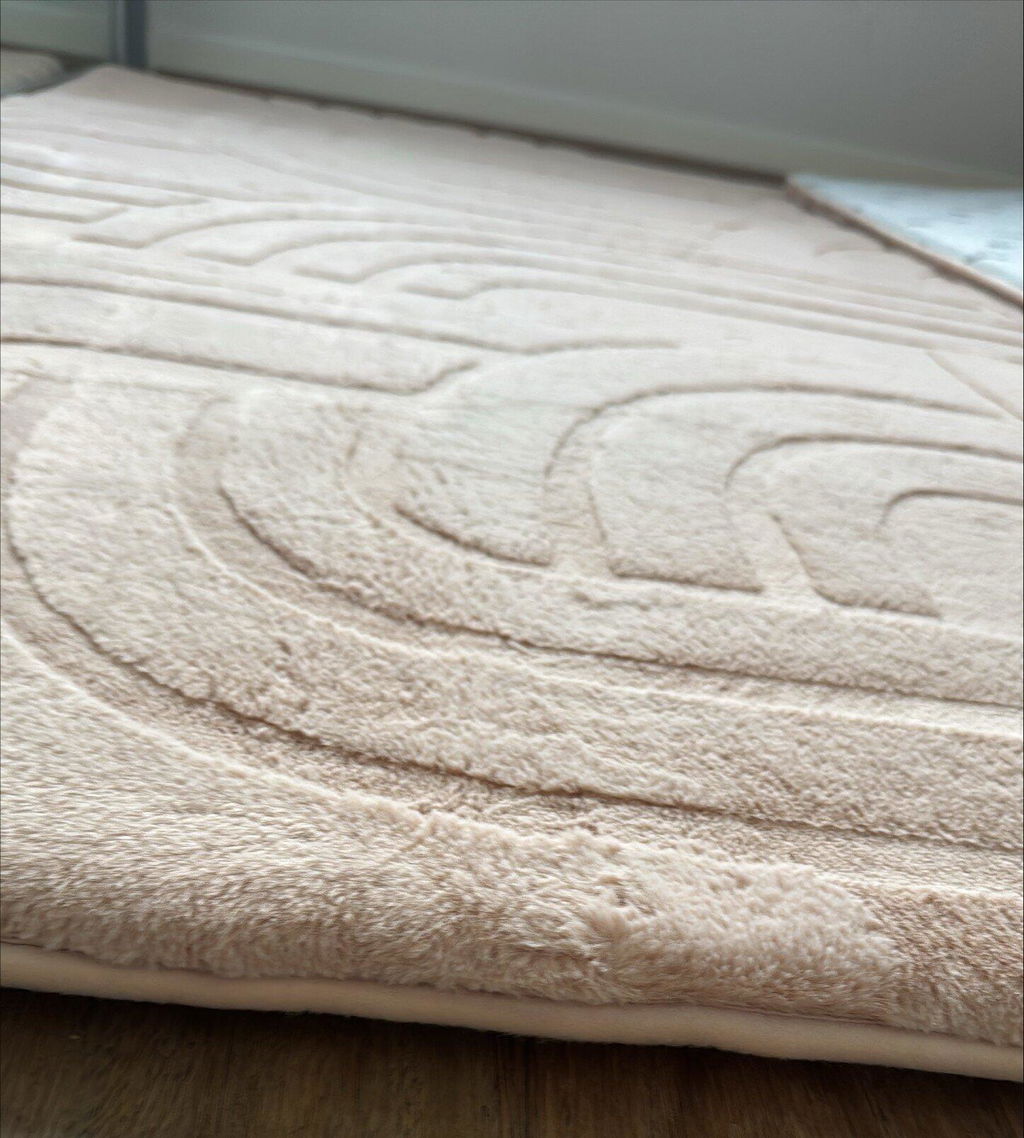
Kids with sensory differences can be extremely sensitive to textures. Some flooring and rugs feel scratchy or “too much” on bare skin, which can lead to avoidance, meltdowns or a constant need to wear socks and shoes. A soft touch tatami‑style mat gives a smooth, gentle surface that is comfortable to sit, crawl or lie on without the prickly feel of some carpets.
Because the surface is even and consistent, there are fewer “surprises” under their hands and feet. For a child who is already working hard to process sound, light and movement, removing one extra source of discomfort can free up energy for play, learning and social interaction. Parents designing sensory corners at home are often encouraged to use soft, predictable textures for exactly this reason.
Built‑In Safety for Movement, Jumping and Crashing
Many autistic and ADHD kids seek proprioceptive and vestibular input—they like to jump, crash into pillows, roll on the floor or lie under heavy blankets to feel where their body is. Hard surfaces can turn this natural sensory seeking into a safety concern, especially if a child moves quickly or impulsively.
Tatami‑style mats offer a forgiving landing zone that still feels stable underfoot. The cushioning reduces impact on joints when kids jump or stomp, and creates a safer base under play tents, climbing cushions or small indoor slides. When parents are advised to create “sensory‑friendly play spaces”, soft flooring is usually one of the first recommendations because it supports movement while lowering injury risk.
Creating Clear Sensory Zones at Home
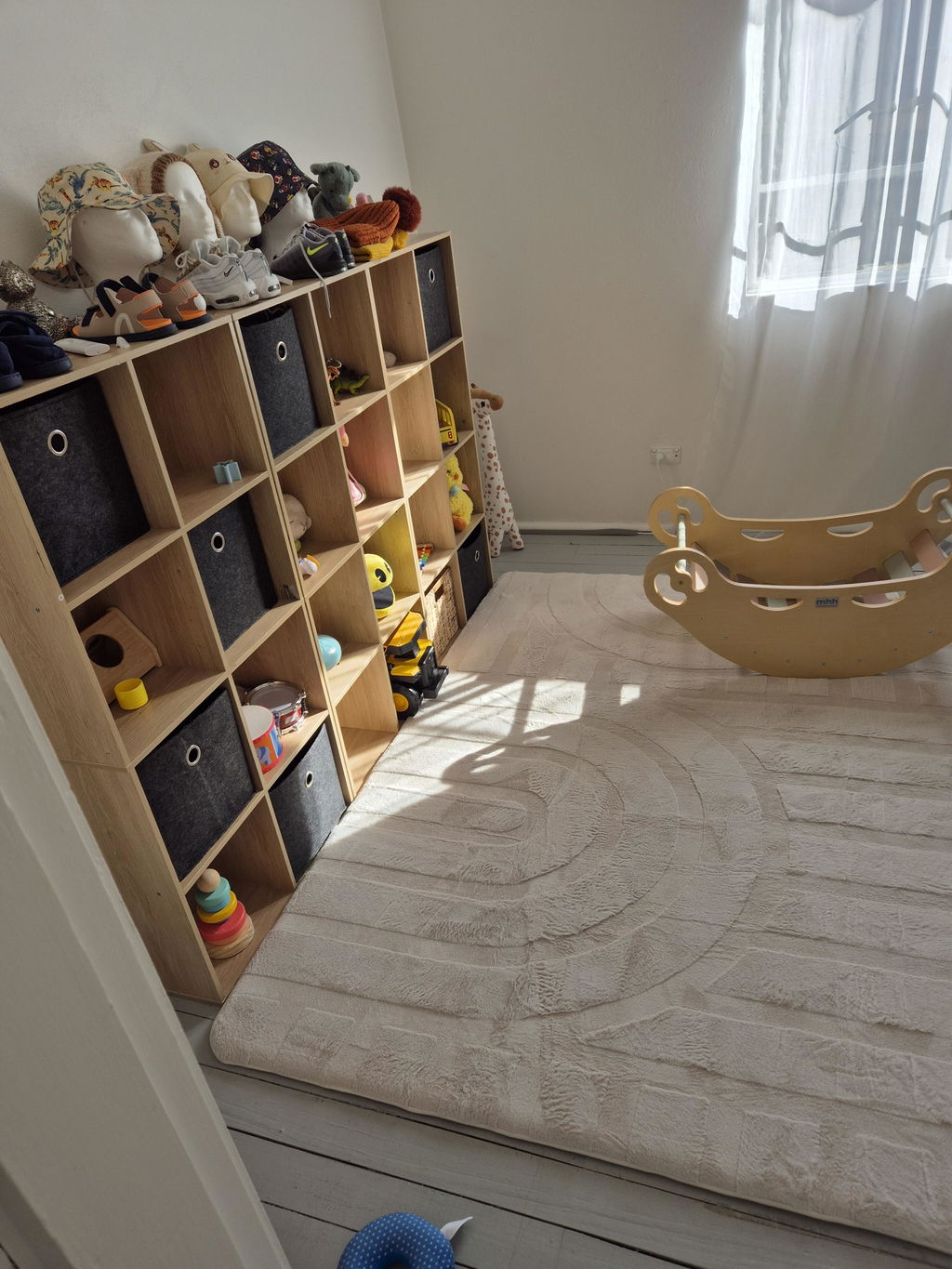
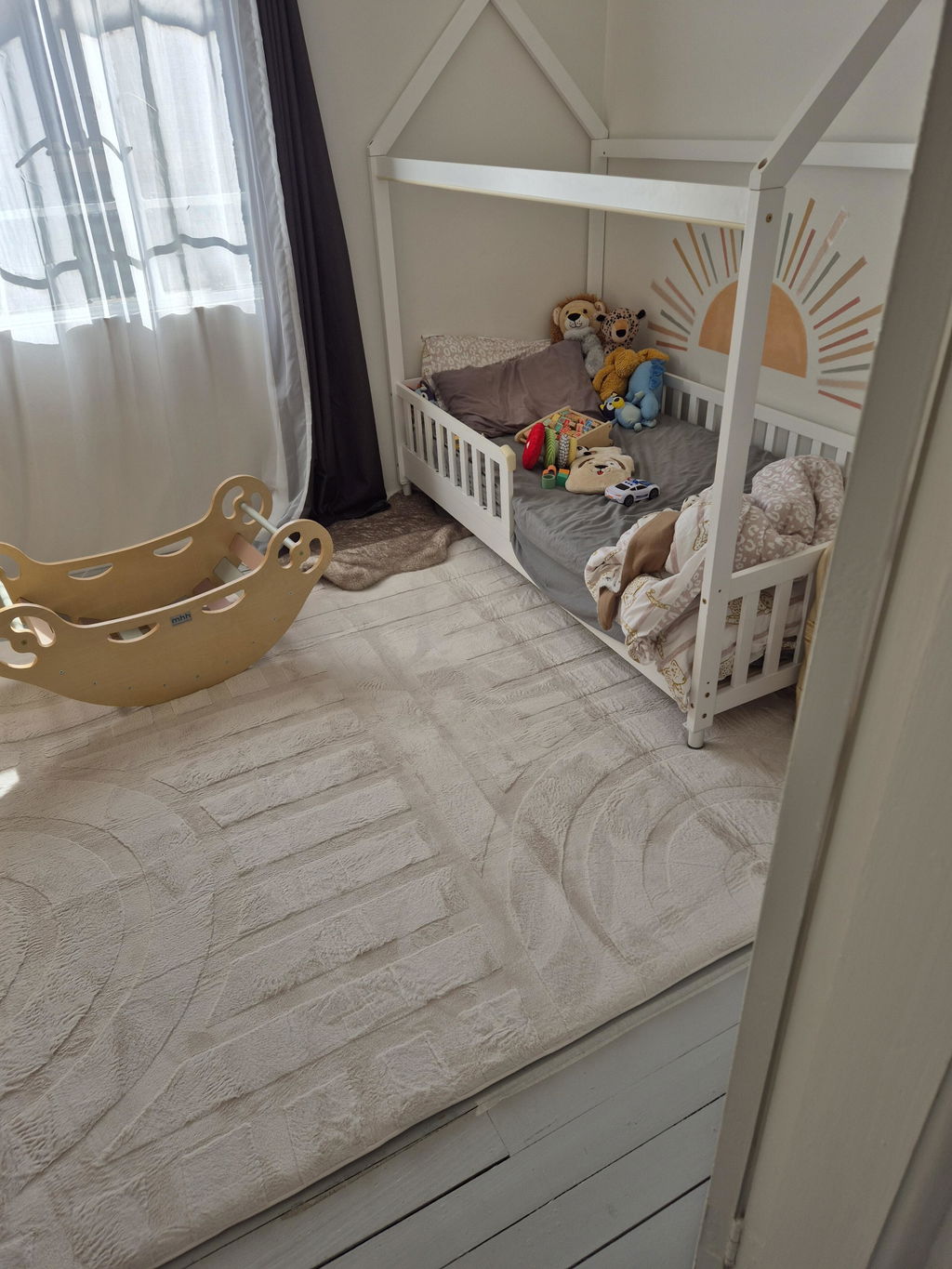
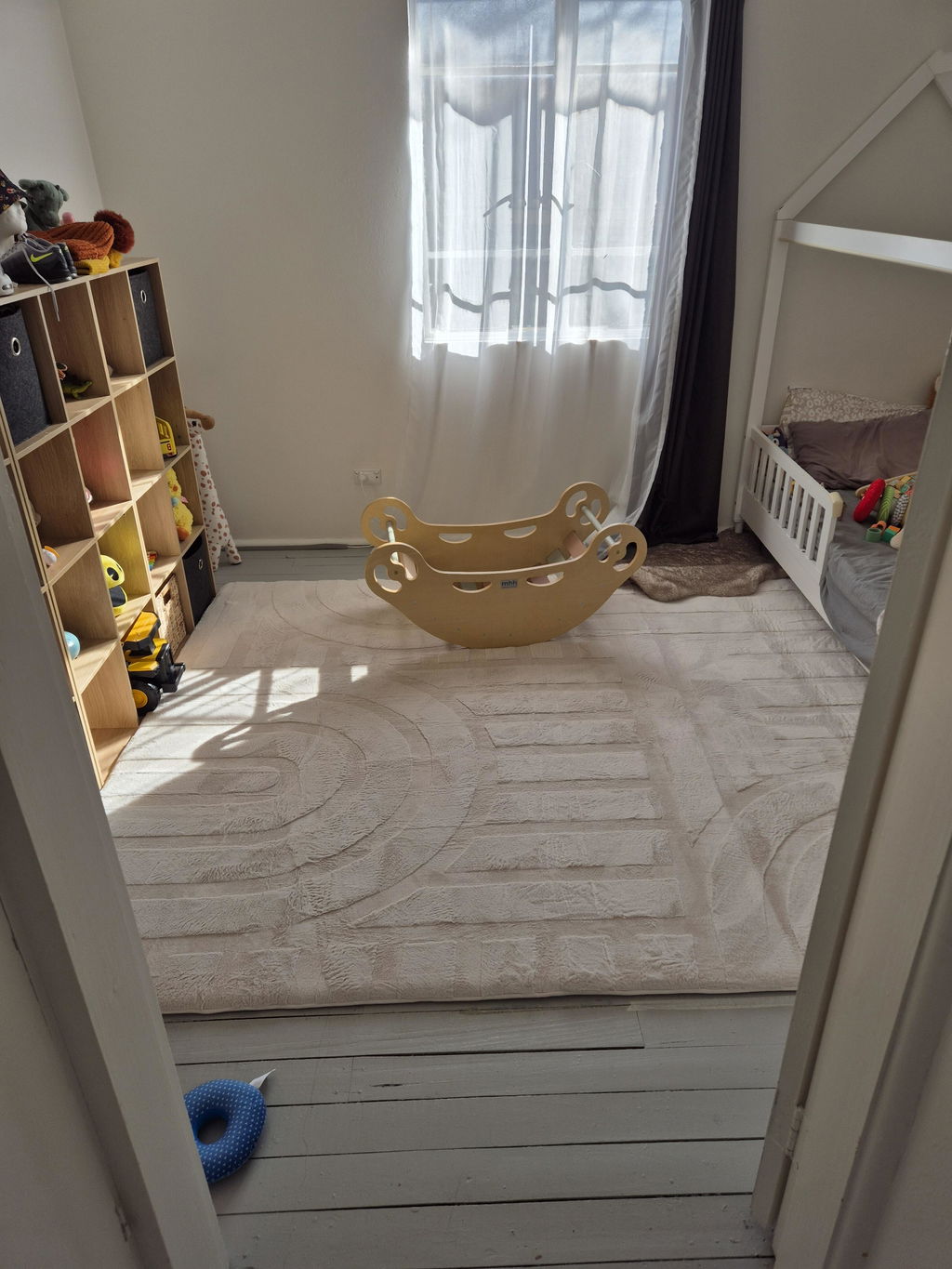
A key principle of sensory‑friendly design is zoning: having clearly defined spaces for calm, for movement and for focus. Tatami‑style mats are perfect visual and physical markers for these zones. Laying them in one area of a room signals, “This is where we play, roll, crash or relax,” which can make transitions and routines easier for kids who rely on visual structure.
You might use mats to:
- Define a “sensory corner” with cushions, weighted blankets and fidget toys.
- Mark a movement zone for jumping games and heavy‑work play.
- Create a quiet reading or wind‑down area with soft lighting and minimal clutter.
Because the mats are portable and modular, you can adapt the space as your child grows or as their sensory needs change over time, which many guides recommend when designing neurodivergent‑friendly homes.
Easy to Clean, Low‑Odour and Low‑Visual‑Noise
Sensory needs are not just about touch; smell and visual clutter can be just as triggering. Thick fabric rugs can trap dust, allergens and odours, and busy patterns can make a room feel chaotic for kids who are visually sensitive.
Soft tatami‑style mats usually have smooth, wipeable surfaces that are easy to clean, which helps keep allergens and spills under control. Choosing calm, neutral colours reduces visual “noise” and supports the kind of simple, organised environment recommended in many autism‑friendly design resources. For some families, just swapping a bright, busy rug for a simple, soft mat can noticeably lower the overall sensory load in a room.
Practical Tips for Using Tatami-Style Mats with Sensory Needs
If you’re considering soft touch tatami‑style mats for your home, try these ideas:
- Start with one key area: a corner of the living room, a playroom or your child’s bedroom.
- Pair the mat with soft lighting, a few favourite sensory tools and minimal clutter to create a true “safe zone”.
- Observe how your child uses the space—do they lie down more, jump more, read more? Adjust cushions, toys and furniture placement to match how they naturally regulate.
- Keep the surface predictable: avoid layering too many textures on top so the mat remains a reliable, familiar base.
With thoughtful use, soft touch tatami‑style mats can become a quiet anchor in your home—a stable, gentle surface that supports emotional regulation, safe movement and everyday comfort for kids with autism, ADHD and other sensory needs.
Share:
LuxKing Life: Creating a Calm, Sensory‑Friendly Home for Everyday Wellbeing
Best Cloud Mat Ideas for Kids’ Playrooms and Nurseries